
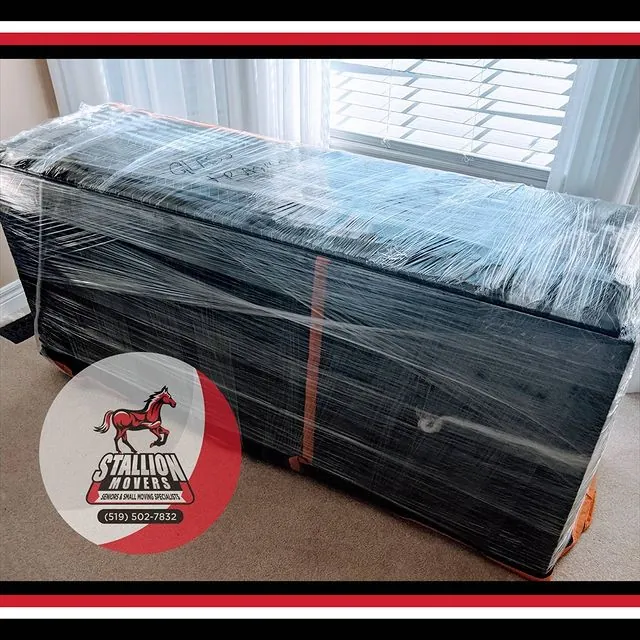
When a piece will not fit, the crew first tries the legitimate options — removing legs or doors, taking it apart, a different angle through the doorway — and if it still will not go, it comes back onto the truck and goes to a pre-agreed second destination: a family member, storage, or donation. What should never happen is forcing it through and damaging the piece, the door frame or the corridor walls.
The best outcome is that it never comes to this, which is what measuring is for; our guide to what fits in a retirement suite covers the planning. But even well-measured moves have a surprise or two, so it pays to know the options in advance.
Why Pieces Fail Even When the Room Is Big Enough
- The suite door is narrower than it looks once the door leaf and hinges are accounted for
- The corridor outside is too tight to pivot a long sofa into the doorway
- The elevator is too short for a tall dresser or headboard
- The piece fits through the door but leaves no safe walking route in the room
- The residence's rules do not permit it — a personal bed, for example, where one is provided
What the Crew Will Try First
Experienced movers carry tools for exactly this. Sofa and table legs usually unscrew. Dresser drawers come out, and cabinet doors can come off their hinges. Bed frames and many desks are designed to be dismantled. Sometimes a door can come off its hinges for a few minutes to gain an extra inch or two, with the building's permission.
A crew will also try angles — on end, tilted, rotated through the turn. Most 'won't fit' moments are solved here. If none of it works, the right answer is to stop rather than force it.
Why Forcing It Is Never the Answer
Scraped corridor walls and a gouged door frame are the residence's property, and they are noticed. Fabric tears and joints crack on old furniture that has been squeezed. And a piece that technically got in but blocks the route from bed to bathroom is a safety problem for someone who may use a walker.
A good crew will explain the options to you, and to your parent, plainly — and then let you decide.
The Options When It Really Won't Go
Each of these may add time or a stop to the day. Extra stops, storage and disposal are not part of a standard move, and disposal involves site fees, so it helps to discuss the possibility with your mover in advance rather than on the doorstep.
- Back on the truck to a family member's home, if that was arranged beforehand
- Into the suite's storage locker, if it fits and the residence allows it
- Into short-term storage while the family decides
- To donation, if a charity will accept it
- Returned to the original home, if it has not yet been sold or cleared
- Disposal, as a last resort
Agree a Plan B for Every Borderline Piece
Before moving day, go through the furniture list and mark any piece that is close on measurements. For each one, decide where it goes if it does not fit. Tell your mover so the truck can be loaded with those pieces accessible and the route planned.
It also helps to have a fallback chair or table in mind. If the big recliner does not make it, is there a smaller chair that can go in its place today, so your parent is not left without a seat?
Helping Your Parent Through It
A piece that will not fit is often the piece that matters most — the chair Dad always sat in, the dresser from the first house. Discovering it at the door is hard.
Acknowledge the loss instead of hurrying past it. Take a photo. If it is going to a grandchild, say so. And try to get the rest of the room set up quickly, with familiar things in place, so the evening ends with a home rather than a gap.
When the Whole Room Is Too Full
Sometimes every piece fits individually and the room is still too full once they are all in. If walking routes are blocked, take something back out the same day. It is much easier while the crew and the truck are still there than to arrange a separate trip next week.
Measure ahead, flag the borderline pieces, and decide where each one goes if it does not fit. On the day, expect the crew to dismantle and try angles — and to stop rather than force.
Retirement suites are a large part of what we do. Send us the floor plan and the furniture list, and we will tell you honestly what we think will go.