
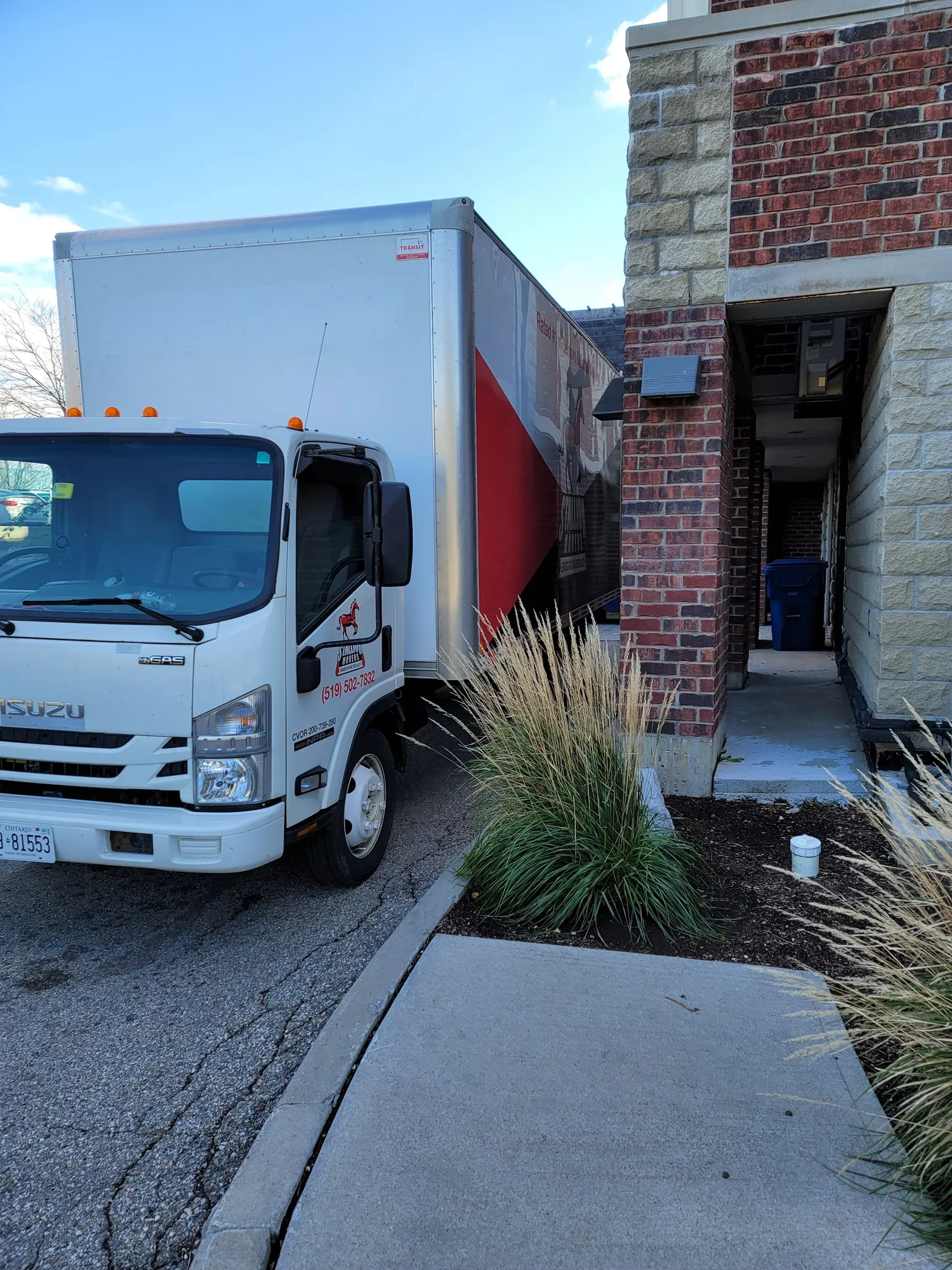
Before moving day, book a service elevator window at both buildings, arrange a place for the truck to park as close to the entrance as possible, and find out the route from the truck to the unit — loading dock or front door, any key fobs, and any rules about protecting walls or floors. Then share all of it with your movers in advance.
Access is the biggest variable in a condo or apartment move. Two identical one-bedroom moves can take very different amounts of time depending on how far the truck is from the door and whether the elevator is waiting. Here is how to get it right.
Booking the Elevator
Most condos and many apartment buildings require residents to book the service elevator for a move, and some only allow moves on certain days or within set hours. Rules differ from building to building, so the property manager or concierge is the person to ask — at both the building you are leaving and the one you are moving into.
- Ask how far ahead bookings open and book as soon as your date is set
- Ask whether the elevator is padded or keyed to your floor for the booking
- Ask the move hours, and whether there is a time limit
- Ask whether a damage deposit or certificate of insurance is required
- Get the confirmation in writing and forward it to your movers
Match the Window to the Move
A booking window that is too short is one of the most common causes of a stressful move day. If your two-bedroom move realistically needs most of a morning to load, a two-hour slot will not cover it. Ask your mover how long loading and unloading are likely to take, then book enough time at each end with a cushion.
If the two buildings have windows on the same day, leave room for driving and unforeseen delays between them.
Parking the Truck
The distance between the back of the truck and the door matters more than almost anything else. Every extra metre is walked many times over across a move.
- Find out whether the building has a loading dock or a designated moving bay
- Check the clearance on any underground or covered entrance — moving trucks are tall
- For street parking, check whether your municipality requires a permit to reserve curb space, and apply early if so
- For a house, keep the driveway clear and ask a neighbour to leave curb space if needed
- Tell your mover about any low branches, narrow lanes or tight turns
The Route From Truck to Door
Walk the route your belongings will take, from the curb or dock to the unit. Count the doors that need holding, check for steps, and note anything narrow. In a condo, find out which entrance movers must use — many buildings direct moves to a side or rear door rather than the lobby.
Arrange key fobs or a concierge contact so the crew is not waiting at a locked door. If someone other than you will be at the new building first, make sure they have access too.
Protecting Common Areas
Buildings often ask movers to protect hallways, door frames and elevators during a move. Ask what your building expects and pass it on. A professional crew brings floor runners and padding, but knowing the building’s rules ahead of time avoids a conversation at the door.
Houses Have Access Questions Too
Access is not only a condo issue. A long driveway, a front walk with stairs, a back-lane garage or a townhouse complex with visitor-only parking all change how long a move takes. Tell your mover about them at quote time — they are part of the scope, just like the furniture.
Give Your Mover the Details
Everything above is only useful if the crew knows it. When you book, share the elevator booking times, the parking arrangements, the entrance to use and the concierge or property manager contact. If any of it changes before the day, let us know — undisclosed access conditions can change the crew, the truck and the time a move takes.
Condo and apartment moves are a large part of what we do, and building rules are routine for us. If you are not sure what to ask your property manager, ask us first and we will tell you what we usually need to know.