
Moving from a house to a condo changes two things: how much you can bring, and how the move itself works. A condo usually has less floor space, less storage and smaller rooms, so the biggest job is deciding what fits before moving day. And a condo building has rules — elevator bookings, move hours, loading areas — that a house simply does not.
This guide walks through both: the downsizing decisions, and the practical differences on the day.
Start With the Floor Plan
Get the floor plan of the new unit with measurements, or measure it yourself. Then measure the furniture you would like to bring. Rooms that look generous in a listing photo are often smaller in reality, and doorways, hallways and elevators may be narrower than at your house.
- Measure each room, and note windows, radiators, doors and outlets
- Measure the sofa, beds, dining table and any large cabinets
- Check elevator and unit door dimensions for the biggest pieces
- Sketch where each piece will go, or use painter’s tape on the floor
Decide What Is Coming
Houses accumulate things in basements, garages and spare rooms that a condo has no place for. Work from the new space backwards: what fits, what you use, what you love. Everything else needs a plan — family, sale, donation or disposal — before the move, not after.
Storage is the part people underestimate most. A condo locker holds a fraction of a basement. Garden tools, ladders, seasonal decorations and workshop equipment often need a decision of their own.
Building Rules Shape the Day
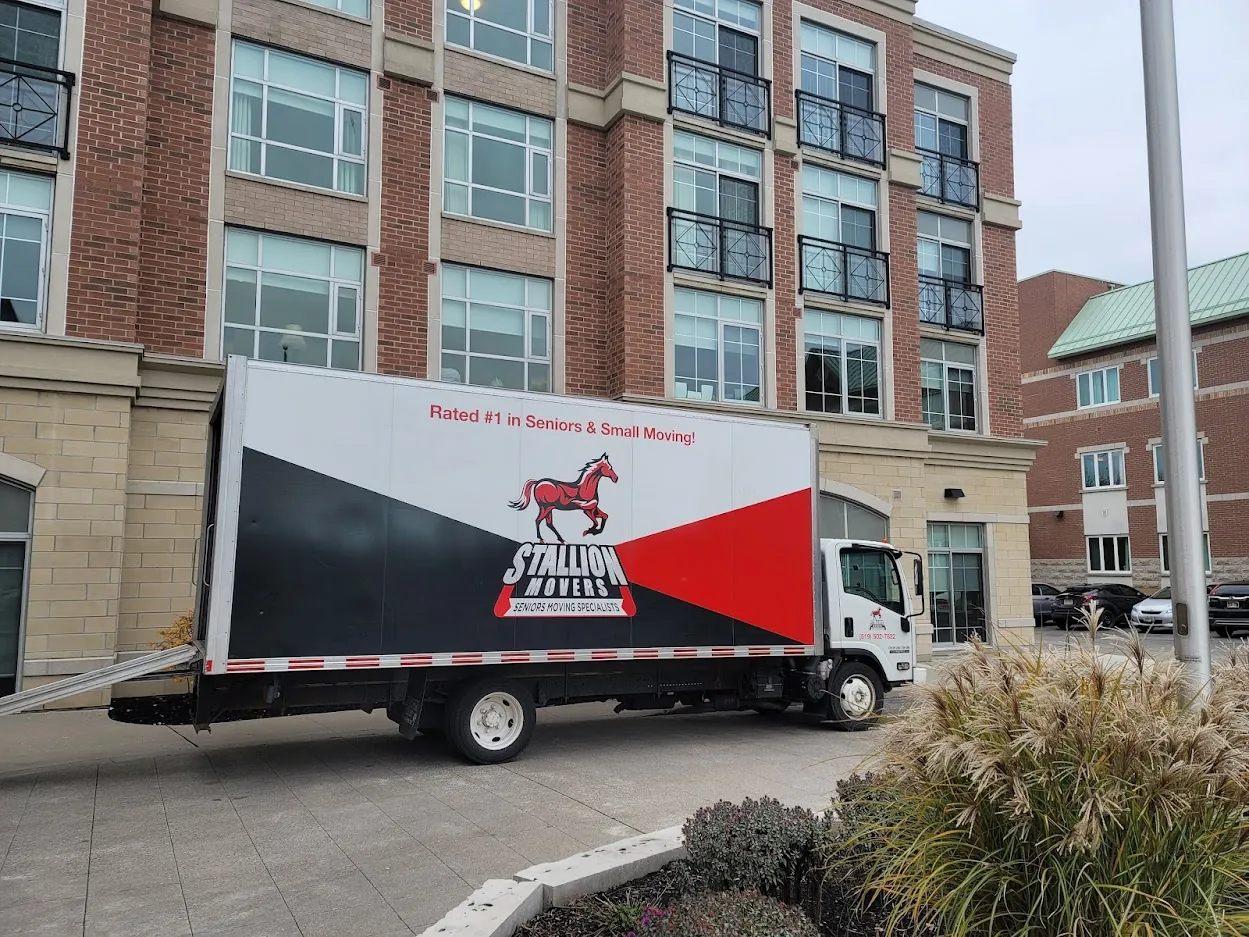
A house move starts when the truck arrives. A condo move starts with the property manager. Ask early about elevator bookings, permitted move days and hours, the entrance and loading area movers must use, and any requirement for a certificate of insurance or a damage deposit. Our guide to elevator and parking prep covers it in detail.
What Changes on Moving Day
- Time depends heavily on the elevator and the distance from truck to unit
- Large pieces may need to come apart to fit the elevator or hallway
- Common areas must be protected, and crews work within the booked window
- Parking for the truck is set by the building, not by you
- Unloading into a smaller space works best with a clear plan of where everything goes
Plan Placement, Not Just Delivery
In a house, there is usually somewhere to put a piece down and decide later. In a condo there often is not. Label boxes and furniture by room, give the crew your sketch, and if you can, be there to direct placement. It saves moving the same sofa twice.
If Something Will Not Fit
It happens: a sectional that cannot make the turn, a wardrobe taller than the ceiling. Measuring before the move avoids most of it. For the rest, decide in advance what you would do — sell, gift, store or leave — so the decision is not made in the hallway.
Downsizing Is Often Part of It
For many people, a move from a house to a condo is also a downsizing, sometimes after decades in one home. That brings sorting, emotional decisions and family to coordinate. If that is your situation, our downsizing services are designed for exactly this, and we work with families in Cambridge, Kitchener, Waterloo and beyond.
We help people move into condos every week, and we know how building rules work in practice. Tell us about both homes, and we will help you plan what goes, what fits, and how the day will run.