
Bring what your parent uses every week, what makes the room feel like theirs, and what the residence does not already provide. Leave behind duplicates, bulky furniture and anything the residence rules out. The best way to decide is to start with the residence's own list of what it supplies, then build around that.
Every residence is different, so treat what follows as a starting point. Ask the move-in coordinator what is provided, what is permitted and what is not, and get it in writing before you plan.
Start With What the Residence Provides
Some suites come with a bed, a fridge, window coverings and a small kitchenette. Others are empty rooms. Some include housekeeping and laundry; others expect residents to do their own. Knowing which you are dealing with changes the whole list.
Ask, too, about rules that are easy to miss: whether personal beds are permitted, whether you can hang pictures and how, whether small appliances like kettles or toaster ovens are allowed, and what can go on a balcony.
Furniture: A Few Good Pieces
Which pieces will actually fit is a separate question, and our guide to what fits in a retirement suite covers it in detail.
- Their own favourite chair — often the single most important thing in the room
- A bed, if personal beds are permitted, with a good mattress
- One dresser or chest of drawers of ordinary depth
- A bedside table with a lamp they can reach from bed
- A small table and one or two chairs for meals, cards or visitors
- A narrow bookcase or side unit for books, photographs and keepsakes
- A television and stand, if they watch one
Clothing for the Seasons, Not the Whole Wardrobe
Closets in retirement suites are usually small. Bring clothes for the current season and the next, plus a few outfits for occasions, and store or give away the rest. Seasonal swaps can happen later with a family visit.
Label clothing if the residence does shared laundry; many ask for it. Include comfortable shoes with good grip, a warm layer for air-conditioned dining rooms, and slippers that fit securely.
Bathroom and Personal Care
- Toiletries and grooming items they use daily
- Towels and a bath mat, if not supplied (non-slip is worth it)
- Glasses, hearing aids and their chargers, dentures and cases
- Mobility aids — walker, cane, shower chair — checked before the move
- A small first-aid kit
Kitchen and Everyday Items
Where meals are provided, the kitchen list is short: a kettle if permitted, a few mugs and glasses, a couple of plates and bowls, cutlery, and snacks they enjoy. Where the suite has a kitchenette and your parent still cooks, add one good pot, one pan and the utensils they reach for most.
A small set of tools is useful in any suite: scissors, a flashlight, a few batteries, tape, and a power bar if the residence allows it.
The Things That Make It Home
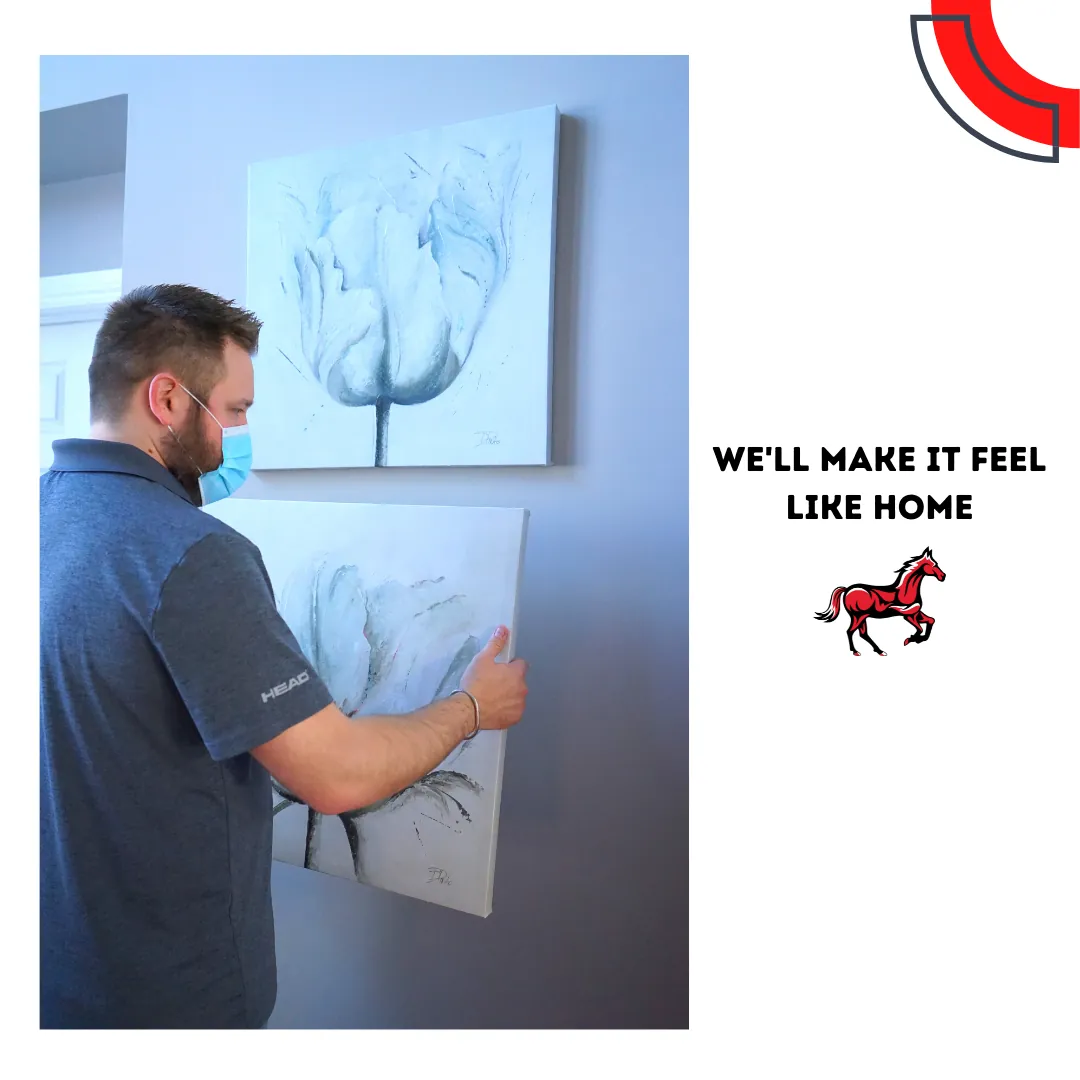
This is where families should be generous. Framed photographs, a favourite blanket or quilt, artwork from the old living room, a clock, plants, books they reread, a radio. These are what turn a room into their room, and they take very little floor space.
Put a few of them out on the first afternoon. A made bed, the chair in place and the photographs on the dresser make the first evening very different.
Documents and Valuables
Keep important papers together in one folder that travels with the family, not on the truck: identification, health cards, the residence agreement, power-of-attorney documents, insurance and banking information. Medications travel with a person too. Our guide on moving medications, documents and valuables covers how to handle these.
Think carefully about jewellery and cash. A suite is a shared building with staff coming and going. Many families keep only everyday pieces in the suite and store the rest elsewhere.
What to Leave Behind
None of that has to be decided on moving day. Donating, giving to family and disposing of the rest can be planned in the weeks beforehand.
- Duplicates — three sets of dishes, four sets of sheets, multiple vacuums
- Large dining suites, china cabinets and wall units
- Tools, garden equipment and most of the garage
- Anything the residence prohibits, such as space heaters, candles or extra appliances
- Items kept 'just in case' that have not been used in years
Bring the chair, the bed if allowed, the photographs, the daily essentials and a season of clothes. Leave the duplicates and the large furniture. Ask the residence first, and keep documents and medications with family.
When you are ready, we can pack the items going to the suite, move them, and set the room up so it feels like home on day one.